The promise of AI creative tools is infinite possibilities from simple inputs. Yet even as models improve, it’s still easy to tell when a website has been made with it. A year or two ago the signs were purple gradients and emojis, now it’s beige backgrounds and serif fonts. AI-designed websites face the same issues that no-code website builders like SquareSpace or Cargo did. They all can make websites that are functional and communicative, but ultimately feel the same.
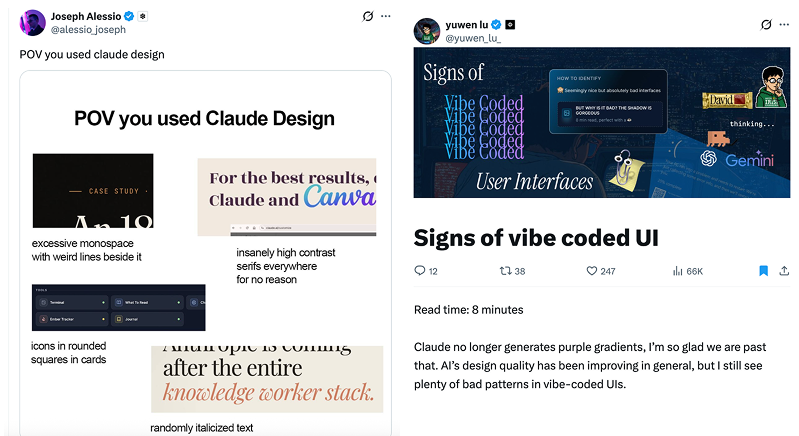
Tool ergonomics
Ultimately it is a tool, and the reality is making a tool “easy to use” means there will be defaults for people to fall into. A year ago, my friend noted he could almost always tell if someone used Figma because of the gradients and blur. Looking at my own designs, it was certainly true. At the time, Figma had no easy way to add shaders or dither - the easiest way for me to create visual interest was to reach into the effects panel and choose between adding a drop shadow and blur.
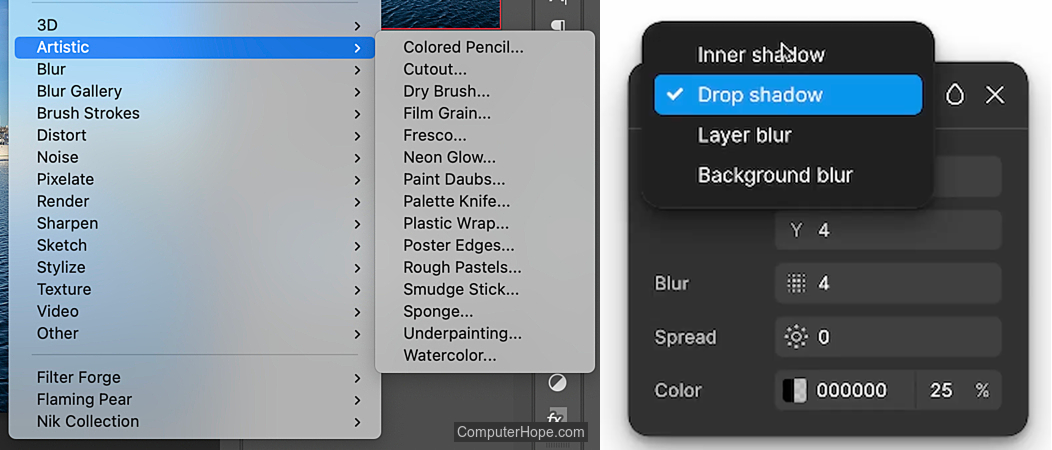 Visual effect filters in Photoshop v. Figma
What makes AI an even worse tool is that there are no easily adjustable primitives other than words. When it comes to creating visual aesthetics, you need expansive primitives that allow users to easily sketch visual language in unexpected ways. With words as the toggle users must always describe, wait, and repeat. Furthermore, users are restricted to their existing imagination on a fixed dataset that is expensive to update and retrain. You cannot describe what you don’t know.
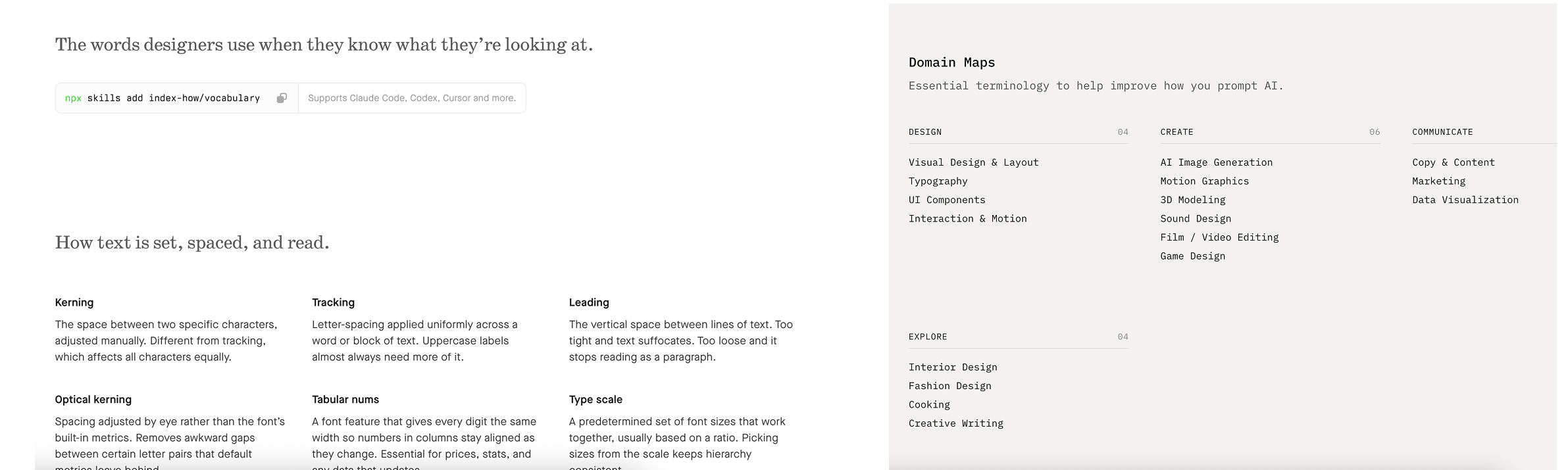 Websites dedicated on how to prompt (index.to and domainmaps.co)
A change in the defaults
But the paradigm shift is that the default exists not just in the realm of visual aesthetics, but also in art itself. Scrolling through my Instagram stories, I’m fed several advertisements of music synthesizer websites, hardware tamagotchis, virtual photobooths that seem to materialize in several prompts. The intersection of art and technology is encountering its reckoning moment; what used to be a feat of effort and skill is now lower hanging fruit.
Michael Naimark, the pioneer of Virtual Reality in 2001 describes two phases of art - “First Word art” that becomes notorious through novelty of the medium, and “Last Word art” that is known because it stands above its peers, although the medium itself has become more common. With the advances of AI, art and technology rarely is first word art - digital media can no longer rely on the medium itself as proof of effort.
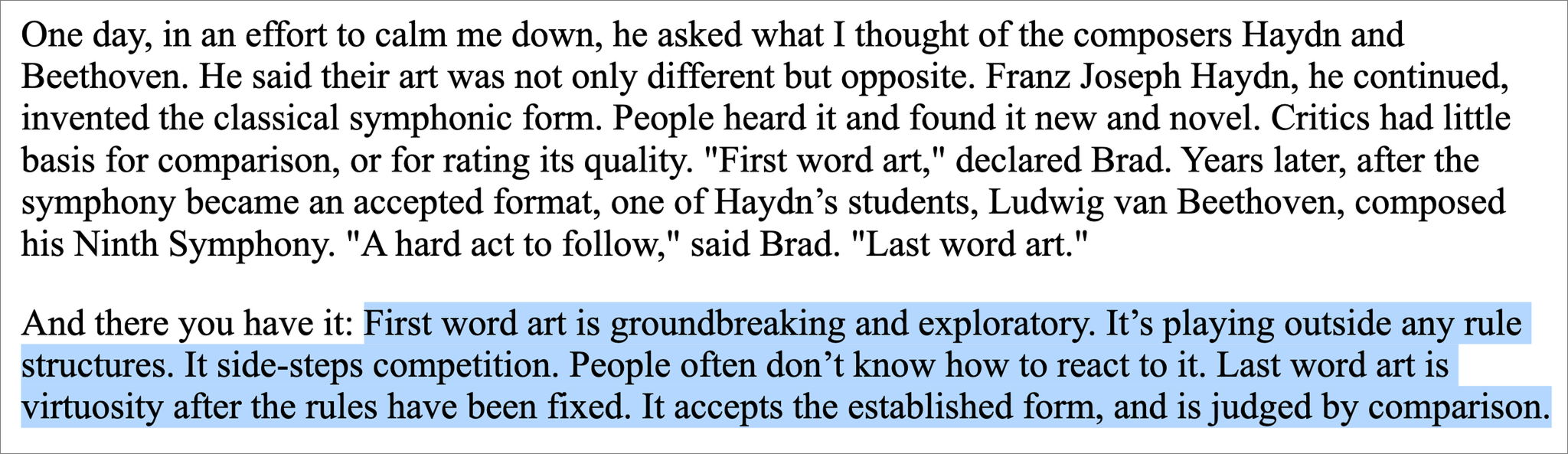 From this essay, thank you Omar for sharing this with me!
Proof of effort
Given the relative cheapness of all sorts of content, demonstrating proof of effort has become another way to stand out on social media. For example, there are thousands of accounts dedicated to posting “Day 1 of X” in a journey - from getting more followers to something as ridiculous as kicking a rock.
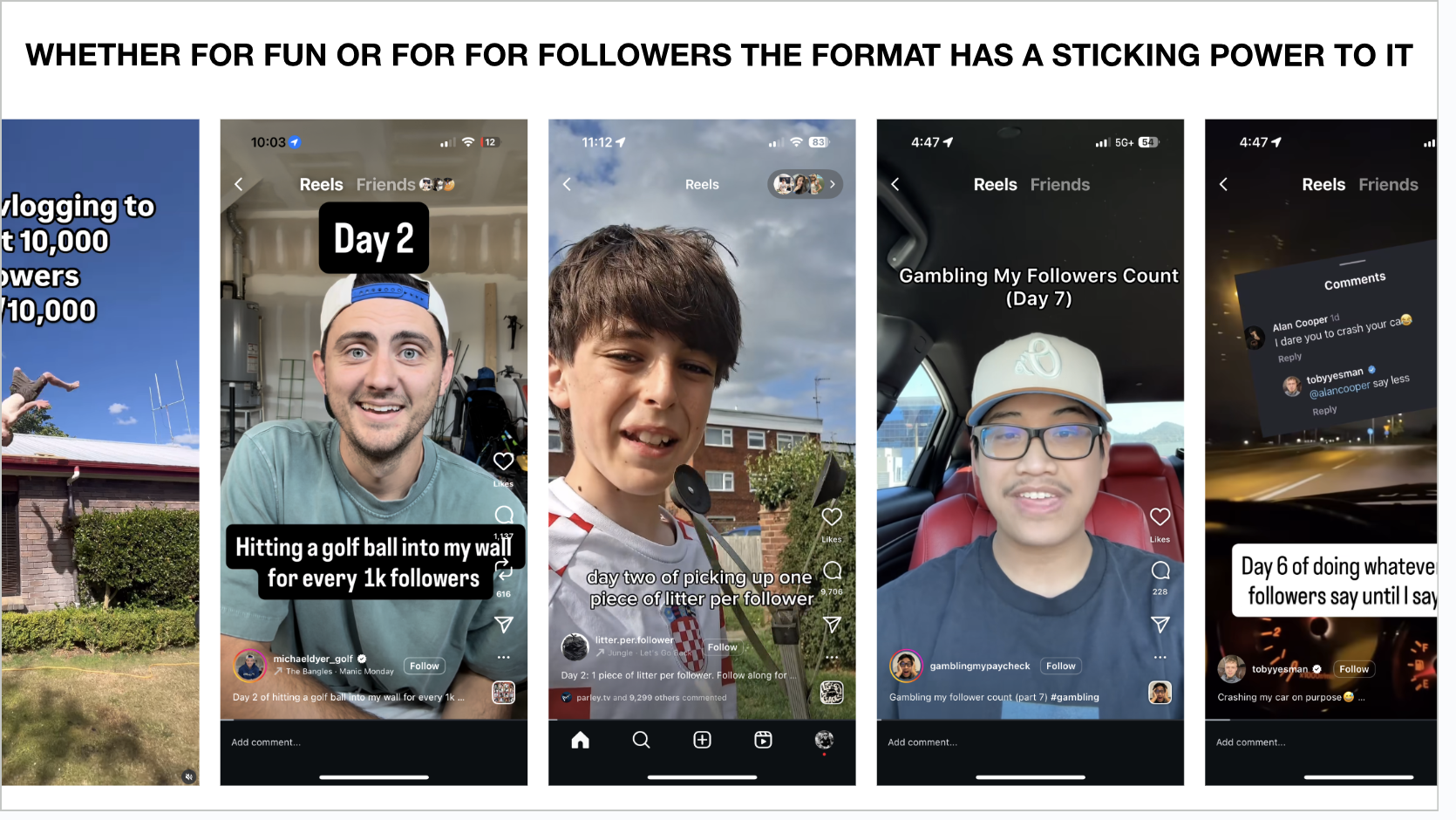
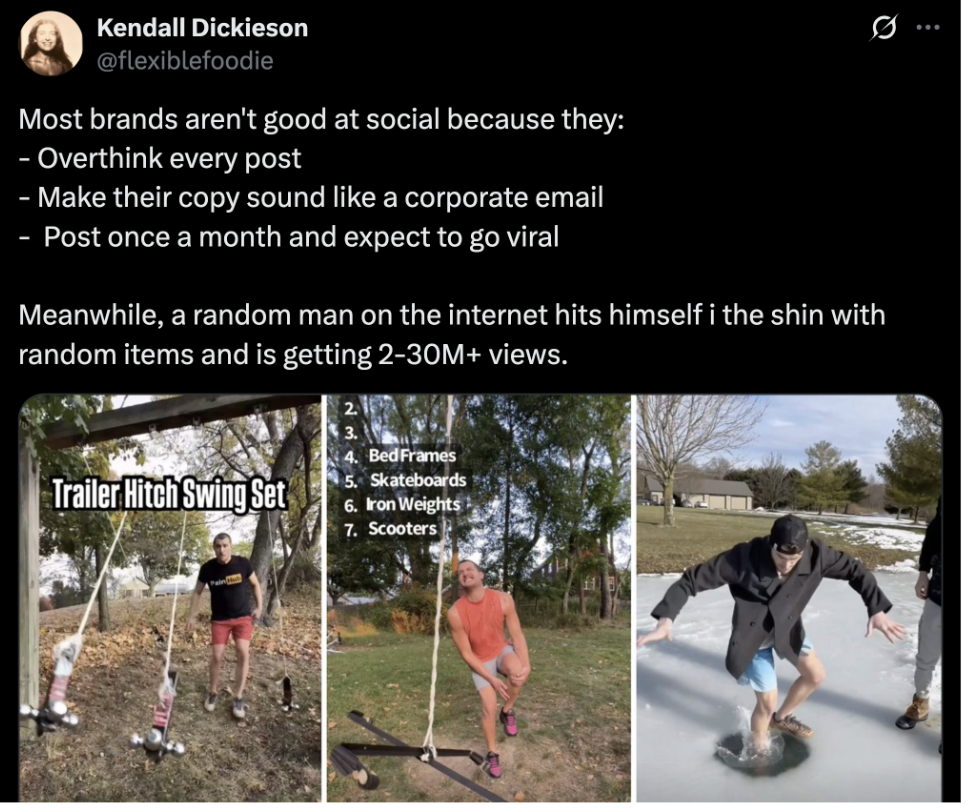
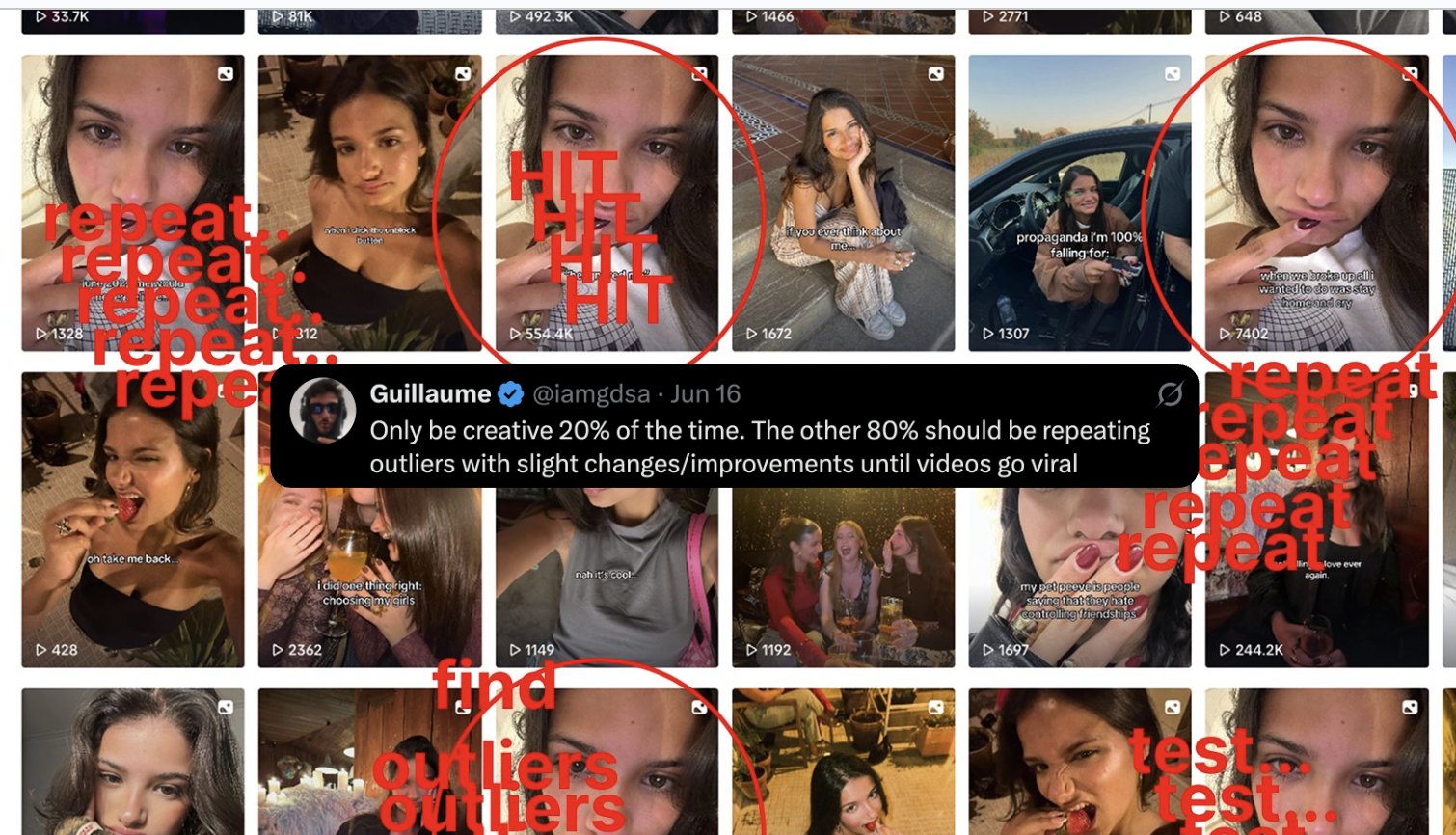
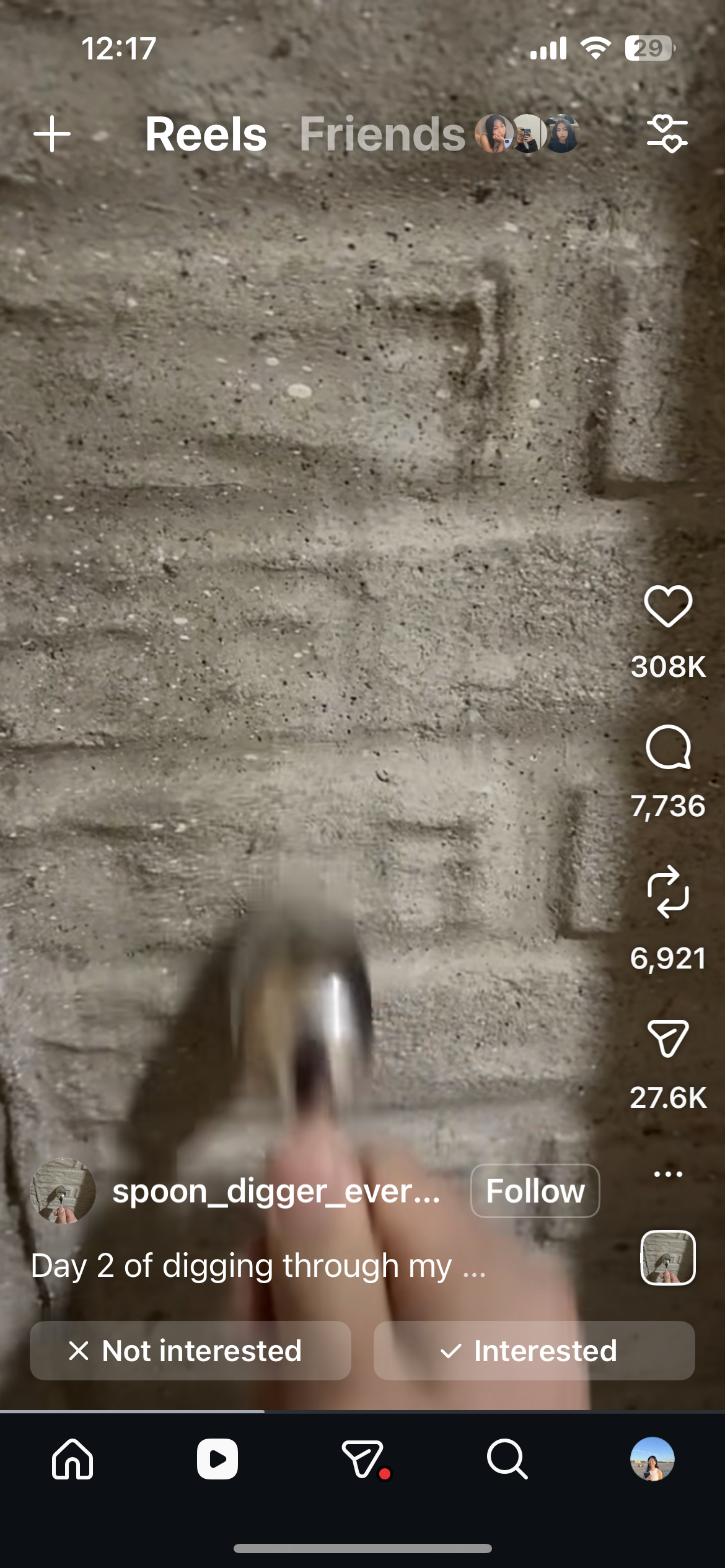
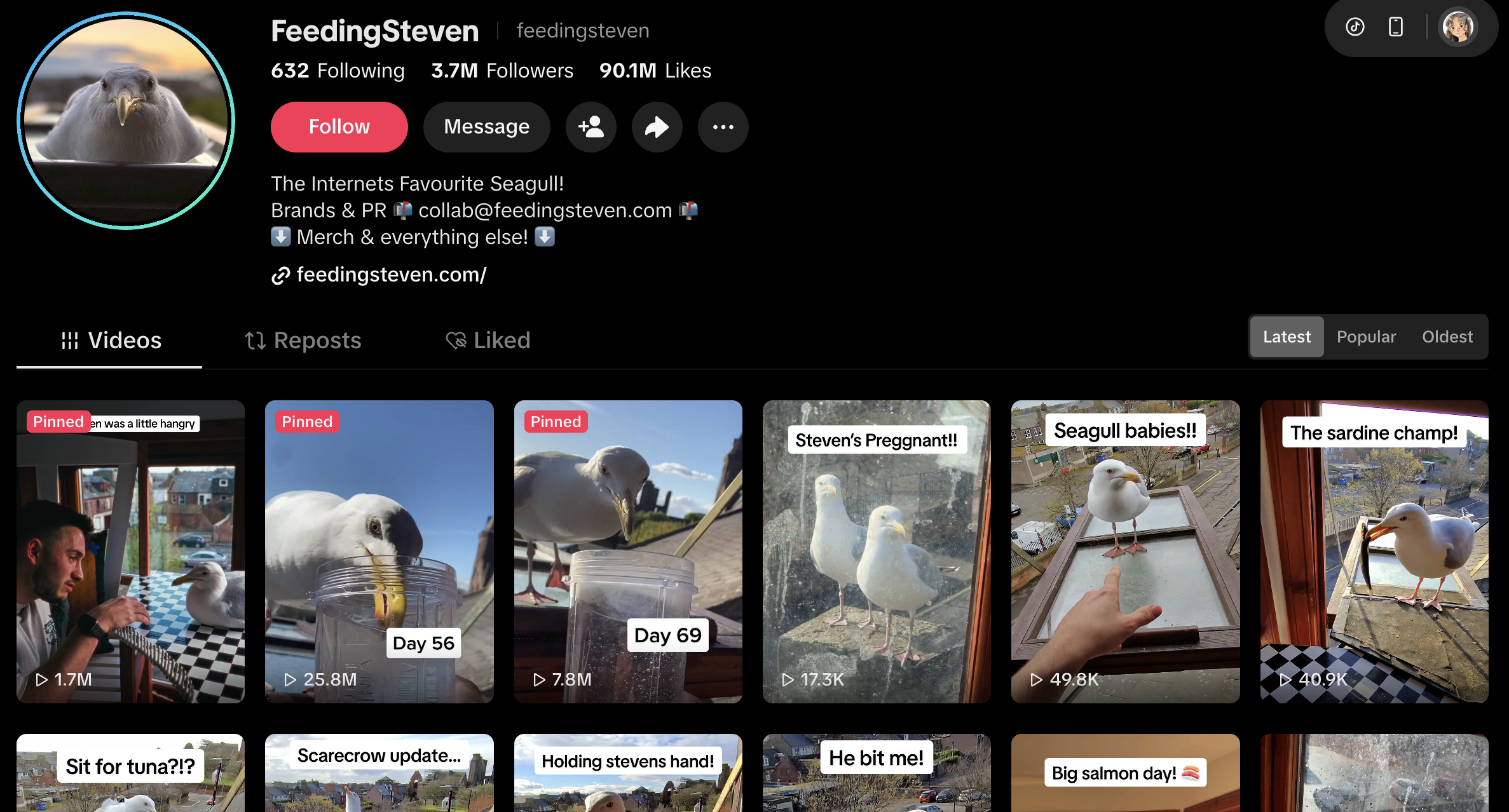
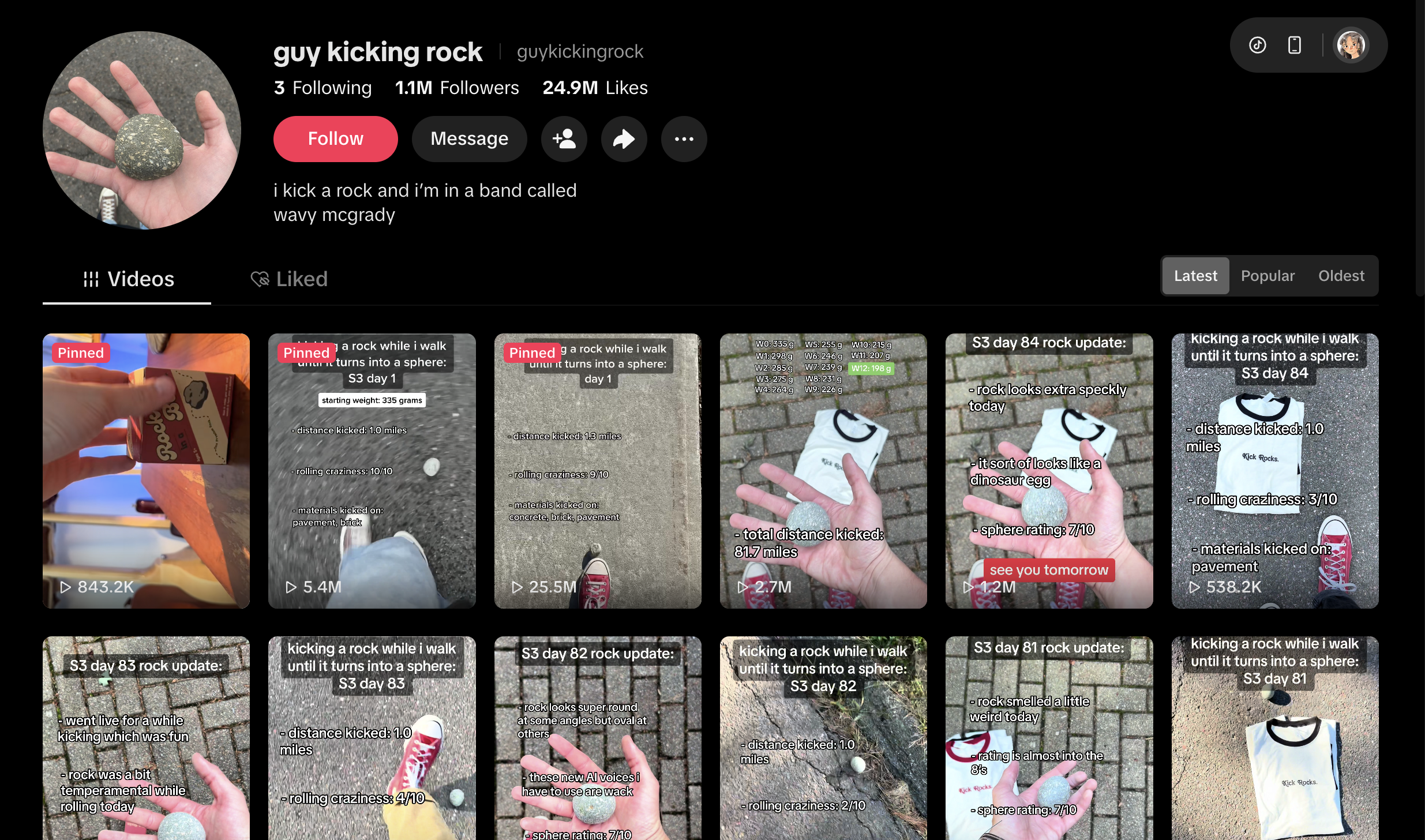
As for image makers, the story of creation has become an enticing mythology, thousands of hours scanning photos to make a single poster, making microtools to create different poster layouts, anything that signals no one else could have done this but me.
But why has proof of effort received such sanctity in craft? For one, spending time implies intention and deliberation of thoughts. The pockets of time in a difficult artistic process, or “friction”, forces you to marinate in the idea. The effort it takes to really learn a tool makes it so you avoid the potholes of defaults.
These are the thoughts of someone who makes things, but for everyone else the distinguishing factor is much simpler. Imagine this, you’re looking through a window into the outside world, except the window is Instagram’s Explore tab. The landscape of reality you see now consists purely of digital images passing through your eyes at 1 post per second. The half-life of an image rapidly shrinks, content is being created and consumed faster than ever.
Rather than skill, people discern via the ubiquity of images. The more common an image aesthetic, the cheaper it becomes. Brand designers have always implicitly understood their alpha is their memorability, now that same principle extends to everyone else making something. It might be easier than ever to create seemingly complex images with AI, but it still surrenders itself if everyone is making the same thing.
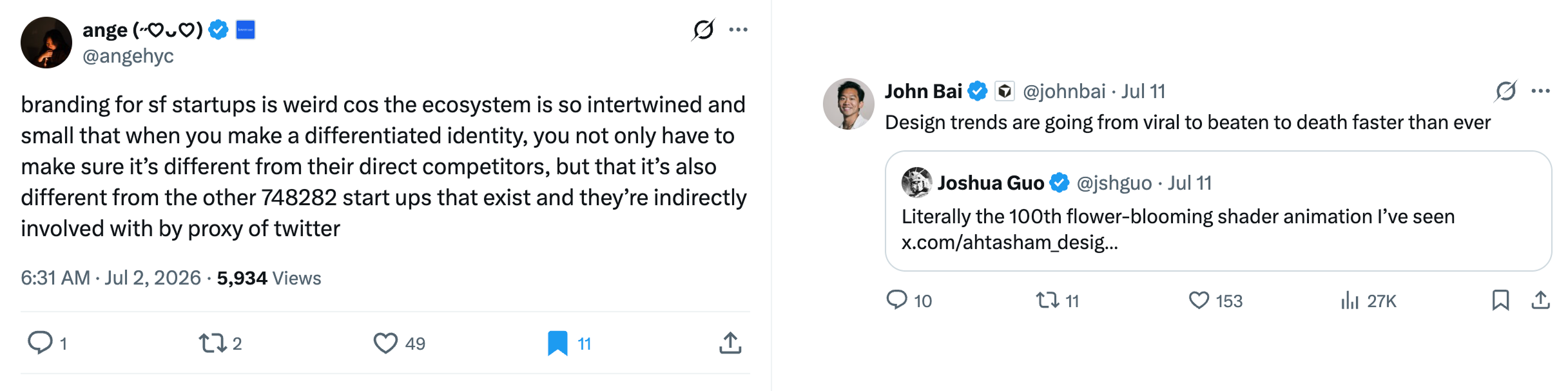
All this to say, I’m optimistic AI can’t automate art and design. The world turns faster, trends birth and die, but AI cannot always train on a changing world. Humans still recognize the beauty in a long and laborious process and so we revive the purpose of tools as an enabler for deeper human engagement. It is easier to create but harder to create something new - so go into the world and put the effort in!
There is plenty of time to create what your heart really desires.